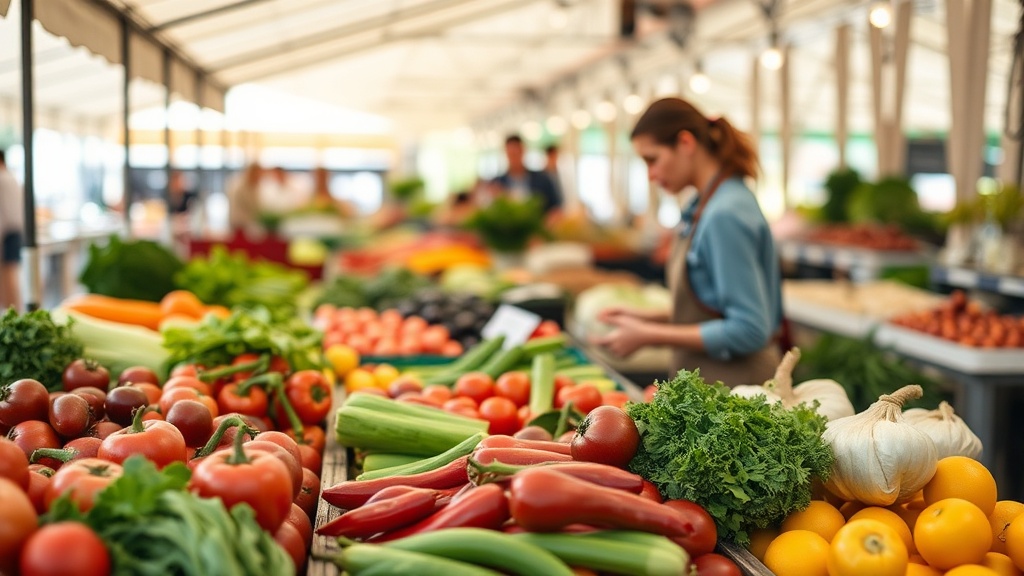
Finding the Best Seasonal Produce at Local Farmers Markets

A shopper stands in a grocery aisle, staring at a carton of strawberries that arrived from a thousand miles away, looking pale and flavorless. They want something that actually tastes like summer, but they aren't sure where to start looking in the Hat. This guide breaks down how to time your visits to local markets, what to look for in seasonal Alberta produce, and how to get the most value for your money right here in Medicine Hat.
Finding high-quality produce in Southern Alberta depends entirely on knowing the seasonal rhythm of our province. When you shop at a local market, you aren't just buying food; you're buying the peak flavor of a specific moment in time.
When is the best time to shop for seasonal produce in Alberta?
The best time to shop for fresh produce in Alberta is between late June and early October, when the local growing season is at its peak. Before the frost hits in late September, the variety of vegetables and fruits available at our local markets increases significantly.
In the early spring, you'll mostly find hearty greens and root vegetables. As the heat of July and August arrives, the fruit heavy hitters like berries and stone fruits take center stage. If you're looking for the freshest options, arrive at the markets early in the morning. The best stuff—the stuff that hasn't been sitting under the sun all day—tends to get snapped up by the early birds.
It's also worth noting that the weather in Medicine Hat can be unpredictable. A sudden heatwave might mean a surplus of zucchini, while a cool spell might delay the arrival of tomatoes. Keep an eye on local agricultural updates from the Alberta Agriculture and Irrigation website to see what's currently being harvested across the province.
Pro-tip: Don't be afraid to ask vendors about their specific harvest schedule. Most local farmers are more than happy to tell you exactly when their cucumbers were pulled from the ground.
How do I know if produce is actually fresh?
You can determine freshness by checking for vibrant color, firm texture, and a pleasant, natural scent. If a vegetable looks dull or feels soft, it has likely been sitting too long or wasn't harvested at its peak.
Here is a quick cheat sheet for checking your haul:
- Leafy Greens: Look for crisp, bright leaves. If the edges are turning translucent or brown, they're past their prime.
- Root Vegetables: Carrots and beets should feel heavy and firm. Avoid any that feel "bendy" or soft in the middle.
- Berries: These are delicate. Look for a deep, consistent color and avoid any containers with visible moisture or mold.
- Tomatoes: They should feel heavy for their size and have a slight give when squeezed gently. If they are rock hard, they aren't ripe; if they are mushy, they're too far gone.
The texture of the produce tells the real story. A tomato that smells like nothing is a disappointment waiting to happen. A truly fresh, vine-ripened tomato has a distinct, earthy aroma that can't be faked by a grocery store shelf. If you see even a hint of mold on the bottom of a berry carton, put it back—it's not worth the risk of bringing it home to your kitchen.
If you are ever unsure about food safety or the nutritional density of certain crops, the Canadian Food Inspection Agency provides excellent resources on how food is handled and stored during the transit process.
Seasonal Produce Availability in Southern Alberta
Because our growing season is relatively short, the window for certain items is tight. I've put together this quick reference table so you can plan your weekly shopping trips accordingly.
| Season | Produce Highlights | Best For... |
|---|---|---|
| Late Spring | Asparagus, Radishes, Spinach | Light salads and spring sautés |
| Summer | Strawberries, Blueberries, Zucchini, Tomatoes | Grilling and fresh summer salads |
| Late Summer/Fall | Squash, Pumpkins, Apples, Root Veg | Roasting and hearty autumn soups |
It's a bit of a roller coaster. One week you're hunting for anything green, and the next, you're drowning in an abundance of squash. Embrace the change.
Can I find better prices at farmers markets than grocery stores?
Prices at farmers markets can vary depending on the harvest, but you often get much higher nutritional value and flavor for your dollar compared to big-box retailers. While a single pint of berries might look more expensive than a large plastic tub at a discount grocer, the quality and longevity of the local product often make it a better value.
The catch is that you have to shop with the season in mind. If you try to find heirloom tomatoes in February, you'll be paying a premium for imported goods that won't taste nearly as good. To get the best deals, follow these three rules:
- Buy in Bulk for Preserving: If a vendor has a massive surplus of cucumbers or berries, buy more and preserve them through canning or freezing.
- Look for "Seconds": Some vendors sell "ugly" produce—fruits or vegetables that are perfectly edible but don't meet aesthetic standards—at a significant discount.
- Go Late in the Day: While I mentioned arriving early for the best selection, arriving near the end of the market session can sometimes lead to great "end of day" deals as vendors try to clear out their inventory.
Buying local isn't just about the food; it's about supporting the economy of the Medicine Hat area. When you buy from a vendor, that money stays in our community. It's a direct way to ensure our local agricultural traditions continue for another generation.
That said, don't feel pressured to buy everything. If a vendor is selling a massive amount of kale, maybe you don't need three bunches this week. Just buy what you can use to avoid waste. Waste is the enemy of a successful kitchen.
If you want to dive deeper into the science of why local food is better, the Wikipedia page on Local Food offers a great overview of the nutritional and environmental benefits of shorter supply chains.
Keep your eyes peeled for the seasonal shifts. The more you learn about what's growing in our backyard, the better your meals will become. Happy shopping!
Steps
- 1
Check the Seasonal Calendar
- 2
Arrive Early for the Best Selection
- 3
Bring Reusable Bags and Cash
- 4
Ask Growers About Harvest Timing