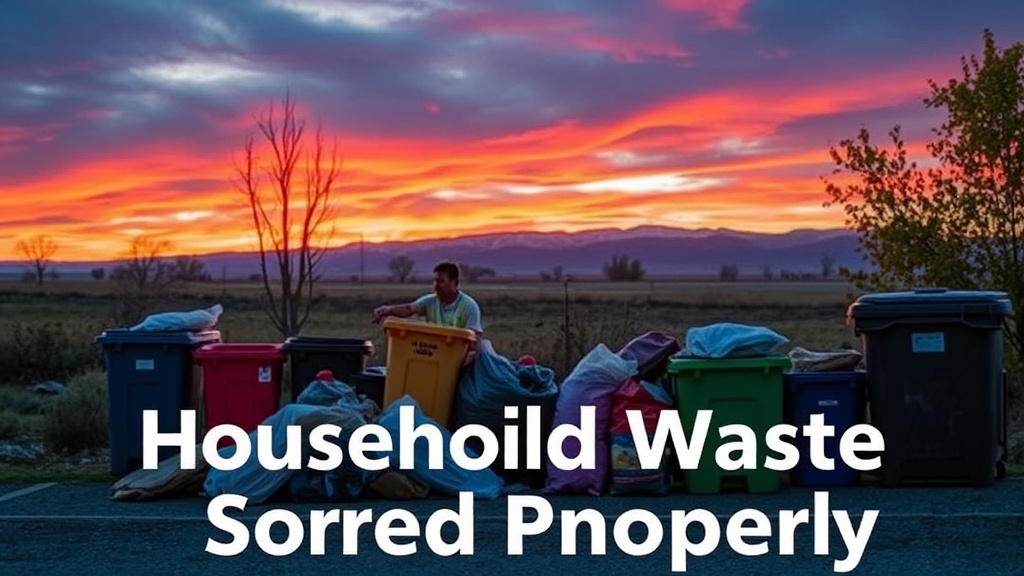
Getting Your Medicine Hat Household Waste Sorted Properly

Are you unsure which bin your specific waste goes in?
Have you ever stood in your kitchen in the North Side or near Southview, staring at a piece of packaging and wondering if it actually belongs in the blue bin or the black bin? It's a common frustration for those of us living in Medicine Hat. We all want to do our part for the environment, but the rules for what stays in the landfill and what gets recycled can feel a bit confusing if you haven't looked at the guidelines lately. This guide is here to clear up the confusion so you can manage your household waste without the guesswork.
Living in Medicine Hat means we have a specific set of municipal services that keep our streets clean and our neighborhoods running smoothly. Whether you live in a newer development near the Saamis Mosque or an older home near Downtown, the rules for waste disposal remain the same across the city. Understanding these nuances helps our community stay sustainable and keeps our local landfill from filling up too quickly.
Where does my recycling actually go in Medicine Hat?
One of the biggest questions we hear from neighbors is whether certain plastics or papers are actually accepted in the blue recycling bins. In Medicine Hat, the recycling program is quite specific. We aren't just throwing everything into one bin and hoping for the best; there's a system in place to ensure that materials can actually be processed and reused.
- Paper and Cardboard: This includes flattened cereal boxes, newspapers, and junk mail. Just make sure they aren't soaked in food or grease—think about that greasy pizza box from a local favorite; those shouldn't go in the blue bin!
- Plastic Containers: Most rigid plastic bottles and containers (like milk jugs or soda bottles) are fine. However, thin plastic film or grocery bags often cause issues at the sorting facility.
- Metal and Glass: Aluminum cans and glass jars are standard, but they must be rinsed out first.
If you're ever in doubt, it's better to put it in the garbage than to contaminate a whole batch of recycling. We've all been there—trying to be green but ending up making things worse by adding unrecyclable items to the blue bin. For the most up-to-date list of accepted materials, you can always check the official Medicine Hat Waste and Recycling page.
How do I handle large items or hazardous waste?
What happens when you finally decide to get rid of that old sofa or a broken lawnmower? You can't exactly toss a heavy piece of furniture into your curbside bin. In Medicine Hat, we have specific ways to handle bulky items and hazardous materials that don't belong in the regular trash. For example, if you're doing some spring cleaning near Crestwood, you might find yourself with old paint cans or batteries. You can't just throw these in the black bin—they're hazardous to our local environment.
For bulky items, the city often provides specific pickup schedules or designated drop-off locations. It's a good idea to keep an eye on the municipal calendar. If you have heavy-duty waste, you might need to contact a local private disposal service or check if the city is hosting a special collection day. This is especially important for electronics (e-waste) like old computers or printers, which contain materials that shouldn't end up in our local soil.
Can I compost food scraps in my Medicine Hat backyard?
Many residents ask if they can start a backyard compost pile to reduce their weekly trash. While the city doesn't have a centralized curbside organic collection for every single household like some larger cities, many of us in the Medicine Hat community have embraced home composting. It's a great way to reduce the volume of your black bin waste.
If you're starting a compost bin in your backyard, remember that it's a delicate balance. You'll need a mix of "greens" (like vegetable scraps and coffee grounds) and "browns" (like dried leaves or shredded paper). This helps prevent smells and keeps your yard looking tidy. If you're living in an apartment or a townhouse near the South Highlands, you might have more limited space, but even a small countertop bin for food scraps can make a difference in how much you're throwing away each week.
For those looking for more formal ways to manage organic waste, check out the resources provided by the Government of Alberta regarding waste reduction and management practices. Being proactive about how we handle our leftovers is a small step that makes a big difference for our local ecosystem.
Managing your waste shouldn't feel like a chore. By being mindful of what goes into the blue, black, and green bins, we're all contributing to a cleaner, more sustainable Medicine Hat. Whether you're a long-time resident or just moved to the area, taking ten seconds to check a label can save a lot of trouble down the road.